Cannabinoids in Type 1 Diabetes
A growing body of research indicates that cannabinoids such as THC and CBD may play a significant role in the treatment of type 1 diabetes (T1D). These plant-derived compounds have the ability to modulate the endocannabinoid system (ECS), which is crucial for regulating inflammation, metabolism, and the protection of pancreatic β-cells.
Studies suggest that THC may reduce the overactivation of pro-inflammatory receptors such as CB1 and GPR18 while restoring the function of protective receptors like CB2, GPR55, and TRPV1. Meanwhile, CBD, through its anti-inflammatory properties, may support β-cell regeneration and modulate immune responses.
Despite the growing body of scientific evidence, research on the use of cannabinoids in T1D remains in its early stages. Legal and social barriers hinder the development of this promising therapeutic path, even though its potential could bring a breakthrough in T1D treatment. It is time for further exploration and development of this innovative strategy, which could improve the quality of life for T1D patients and open new therapeutic opportunities.
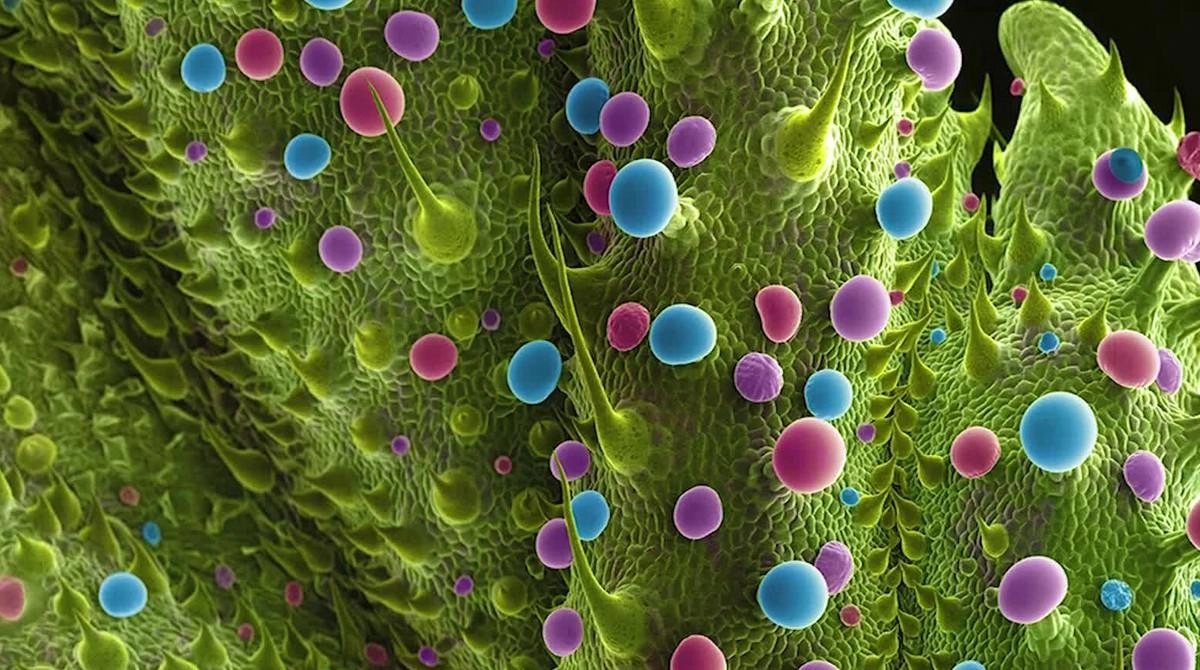
Cannabis Indica under microscope